ARCHAEOLOGY AND ENVIRONMENTAL SUSTAINABILITY

🇮🇹 Italian - 🇪🇸 Spanish - 🇬🇧 English

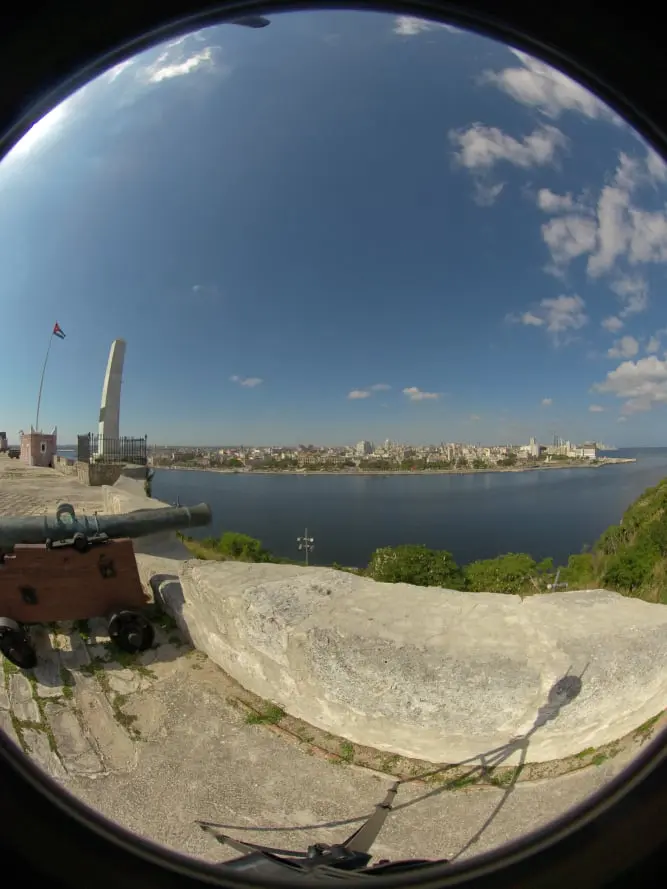
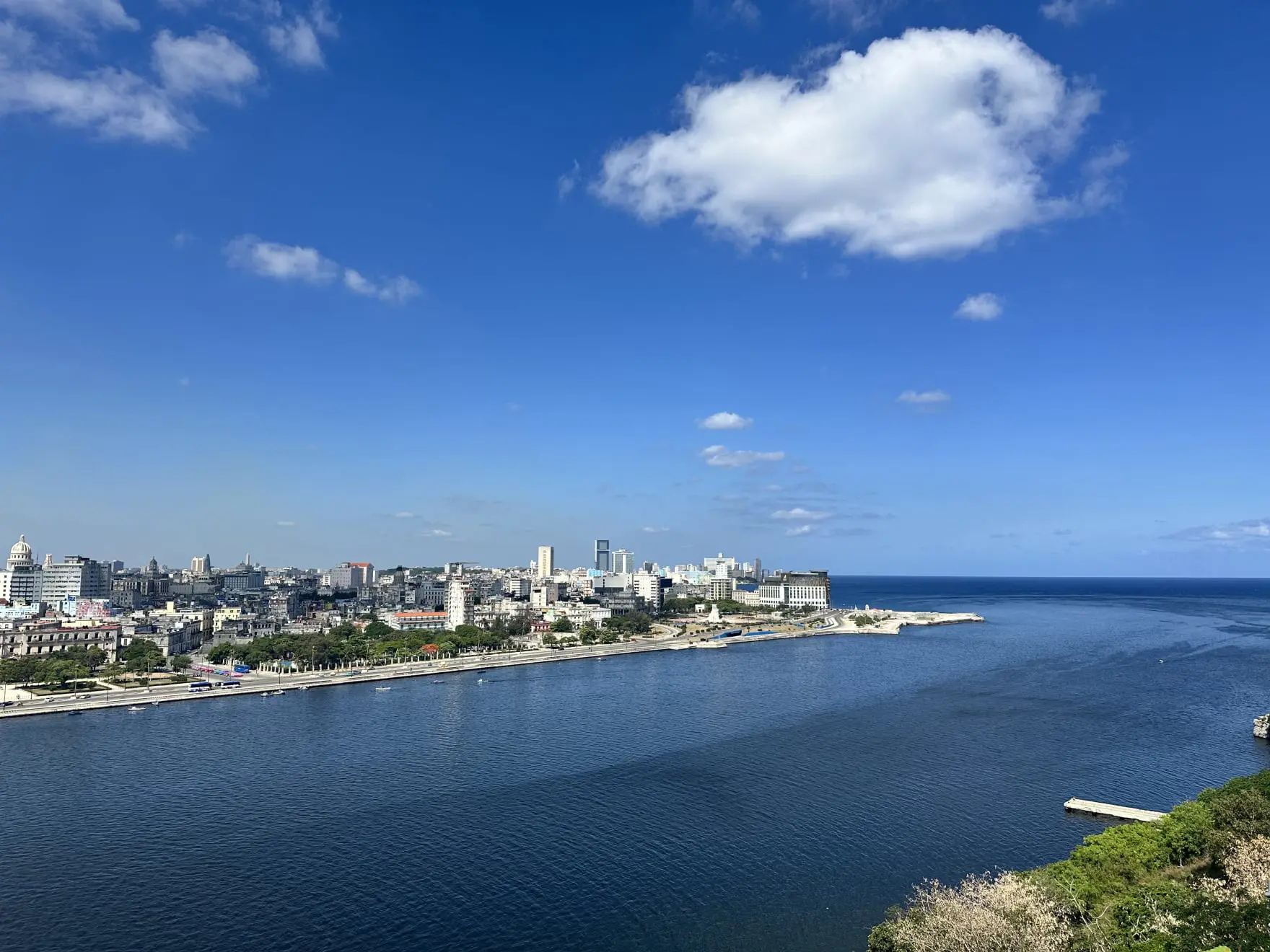
Habana old Skyline Habana

CUBA: A LINK BETWEEN PAST AND FUTURE

The project, in line with the 2030 Agenda, particularly with goals 11 and 13, aims to offer a comprehensive and inclusive approach to the issue of sustainable urban development in Cuba. Archeo-Cuba is a research project focused on territorial cooperation in the field of archaeology and sustainability to combat climate change.

EXPLORE THE ISLAND AND DISCOVER THE BEAUTY OF THE CUBAN PARADISE 

The project aims to promote the definition, implementation, and a new impetus to territorial public policies in Cuba, aimed at identifying, protecting, and enhancing the stratification of the cultural historical landscape, together with the natural landscape, towards a comprehensive and cross-sectional vision of heritage.

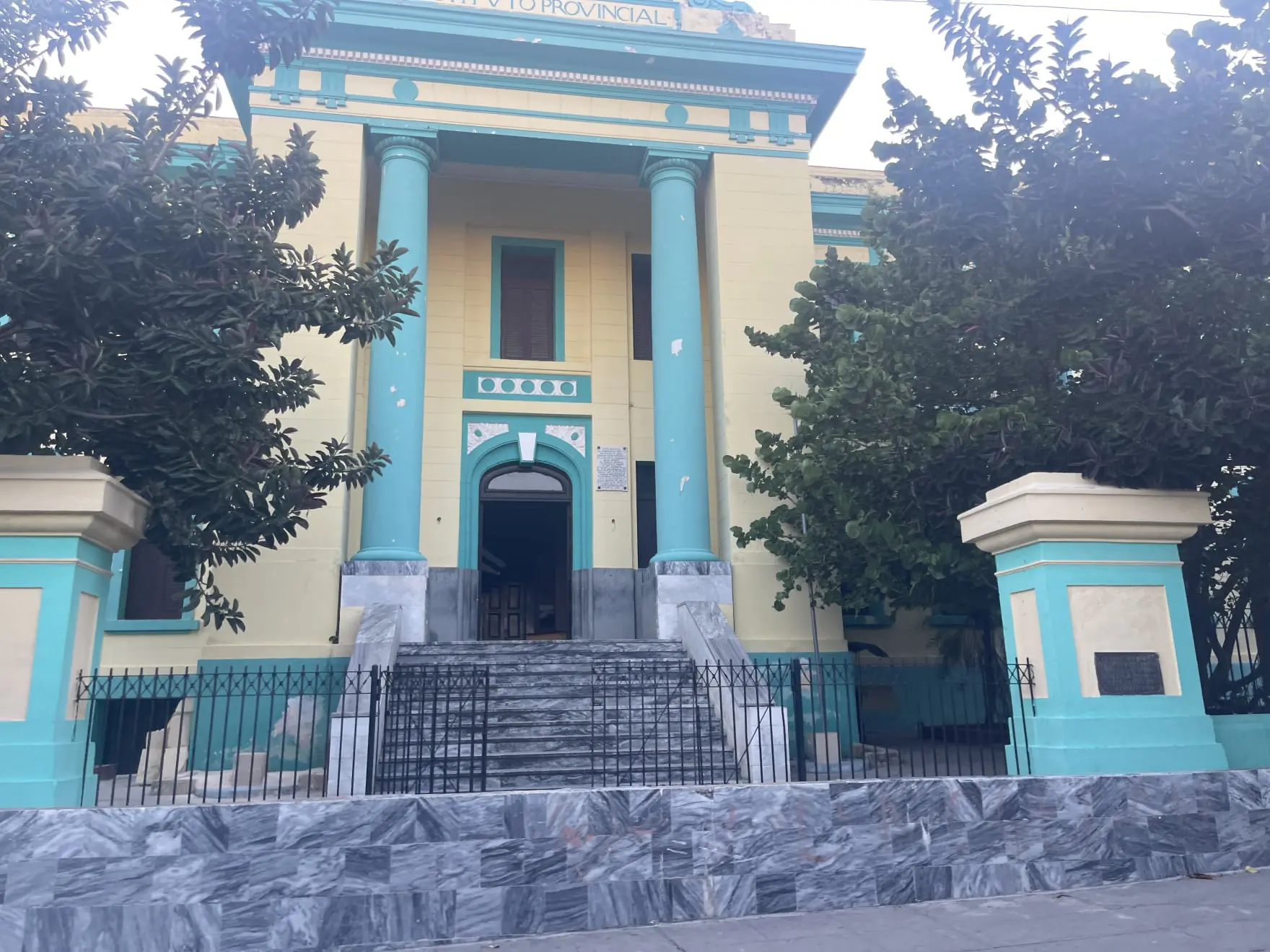
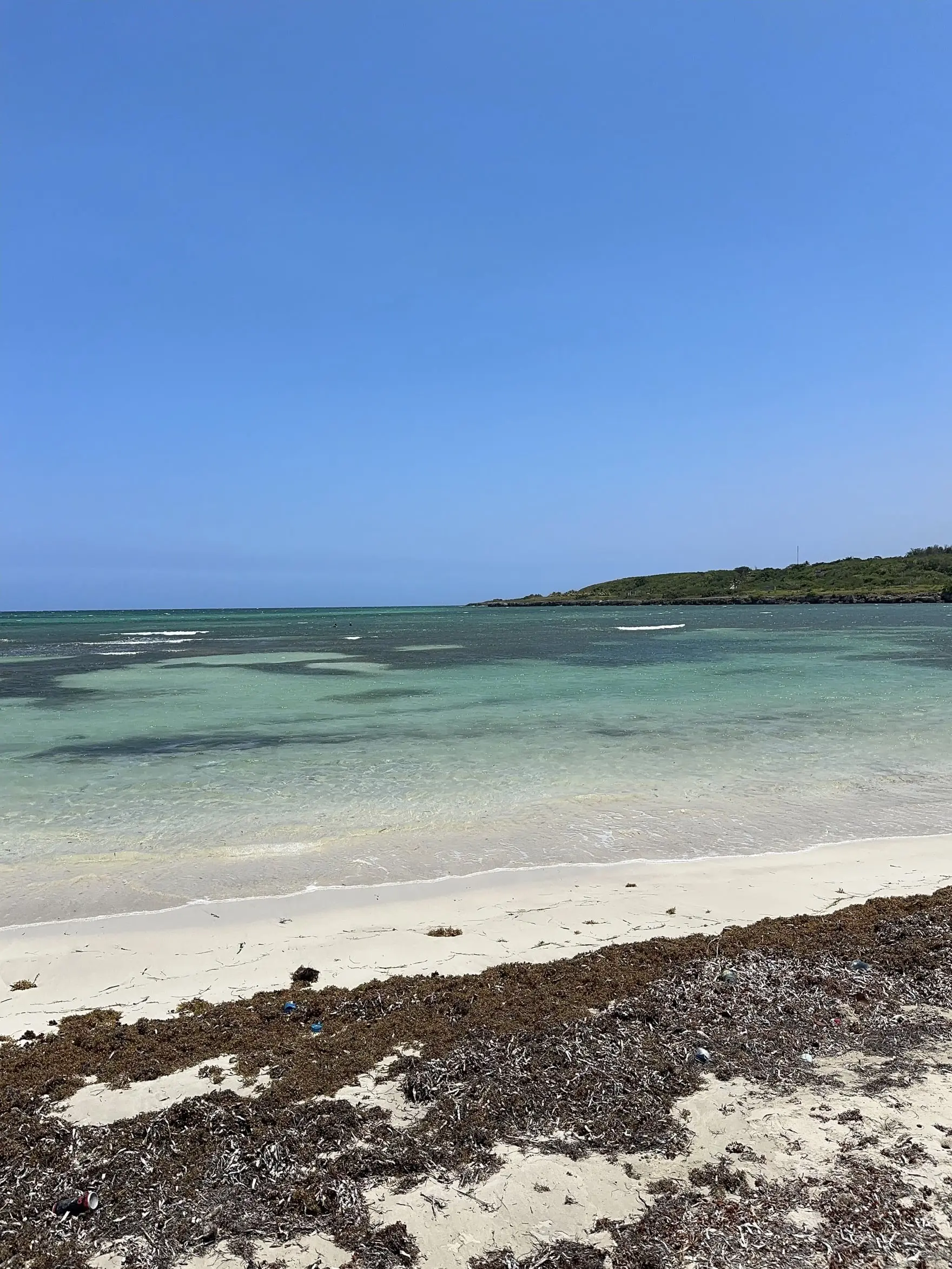
Cuban Palace Cuban beach

Funded by

AICS

Project partners

Comune San Felice Circeo
ARCS
PNC
Ministero Cultura
Fondazione Scuola
Dipartimento Biologia Sapienza
Oficina Matanzas
Oficina Habana

Data Hub

Story Map

Digital Twin

Virtual Tour

Guidelines

Archaeology and environmental sustainability for territorial cooperation to combat climate change

The volume aims to offer an overview of the project it refers to and an analytical and methodological reflection on the management of archaeological heritage. The compendium includes a brief essay for each of the themes addressed in the training course, built on the contributions of the teachers involved in the project, the case studies addressed, the field laboratories, and the reference bibliography. It also includes a proposal for guidelines related to the principles of developing a management plan that takes into account the needs for protection and enhancement of cultural heritage and natural heritage

FAQ

FAQ

In Cuba, as in Italy, there are areas and contexts where the effects of climate change pose a threat and, at the same time, a challenge regarding the conservation of natural environments coexisting with elements of significant historical and archaeological interest. In these areas, international experts from Italy and Cuba engage in discussions on historical and natural heritage topics, with a cross-disciplinary and multidisciplinary approach. The Italian know-how in training and restoration of historical and natural heritage is compared in the field with Cuban colleagues in historically rich sites, set in natural landscapes. The project was born with the idea of recognizing common characteristics between Italy and Cuba that could guide new possible strategies for managing historical landscapes, with elements to counteract the effects of climate change. The project stems from the multi-year collaboration between ARCS and OH in Cuba on heritage conservation issues, which intersects with the joint work that the Circeo National Park Authority and the Ministry of Culture - Directorate General for Education and Research have been carrying out for several years in the Circeo area. This collaboration aims to promote actions of study, design, and sustainable management of the system of archaeological and historical assets present in the Park, to which are added the expertise of the Faculty of Environmental Biology of the University of La Sapienza in Rome and the Foundation School of Cultural Heritage and Activities.
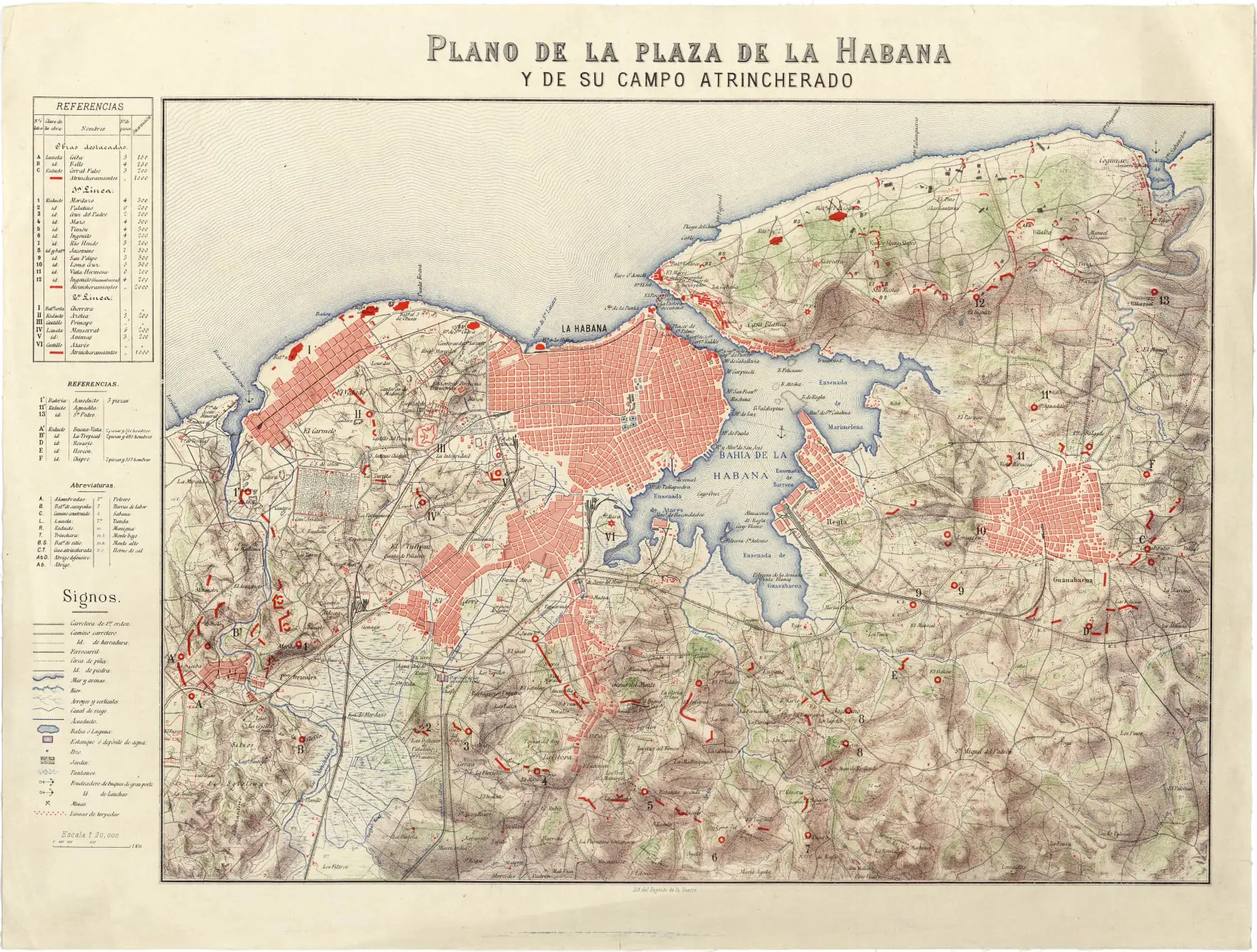
Through a training experience aimed at heritage officials and operators in the Cuban provinces of Havana and Matanzas, awareness of the present values, characteristic of the history of the territory and research sites, is increased. From the recognition of these values comes a governance proposal shared by the Plan Maestro offices, which together with the Oficinas, integrate the project’s target sites into management and enhancement plans. The face-to-face and online training experiences, along with direct on-site training with scholars and students, allow for the creation of a large archive database, of indirect and field surveys. The digitization of these data ensures their use and management, with possible integration into the continuation of research and project activities. The participation of managing entities and communities in the various project activities allows for the advancement of sustainable and participatory proposals, contributing to the return of the project’s Target Sites to social and cultural use.

The project is achieving an expansion of the level of study and knowledge of the sites, contributing to the recognition of the historical, cultural, and landscape value of the sites under intervention. The data collected for the different multidisciplinary aspects represented are organized and digitized. These data represent the scientific basis on which to build sustainable management plans for the sites, with the ultimate goal of returning these places, currently excluded from the visit itineraries of the island of Cuba, to a broader and more inclusive use.

Follow us

© Powered by Tecnostudi Ambiente